
Learn how to play Mahjong step-by-step. Discover its rules, tiles, and strategies while enjoying one of Asia’s most timeless and social games.
How to Play Mahjong and Enjoy One of Asia’s Most Timeless Games
Mahjong is one of those games that never loses its charm. Originating from China and loved all over the world, it’s a mix of strategy, skill, and luck — a social game that challenges your mind while keeping things fun and engaging. Whether you’ve seen it played in movies, in family gatherings, or on your phone, learning how to play Mahjong properly opens up a whole new world of entertainment.
If you’ve ever been curious about how this game works, don’t worry — it might look complicated at first with all those tiles, but once you get the hang of it, it becomes one of the most satisfying games you’ll ever play. Let’s Jilievo go through the basics step by step.
What Is Mahjong
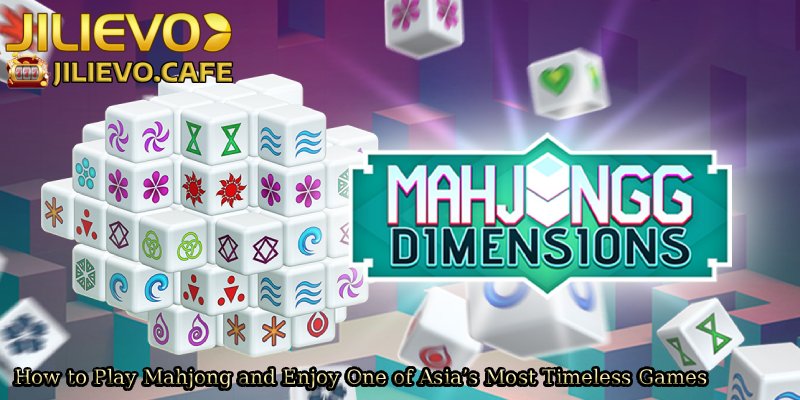
Play Mahjong is a four-player tile-based game that started in China and spread throughout Asia before gaining global popularity. The game uses 144 tiles marked with Chinese characters and symbols. The goal is to build specific sets and combinations — kind of like rummy, but with tiles instead of cards.
Each player draws and discards tiles in turn, trying to complete a winning hand made up of four sets and one pair. A winning hand is called a “Mahjong”, and getting it before anyone else is the aim of the game.
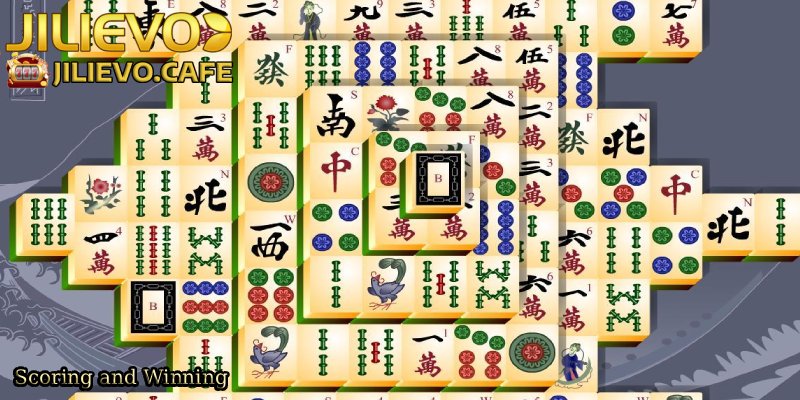
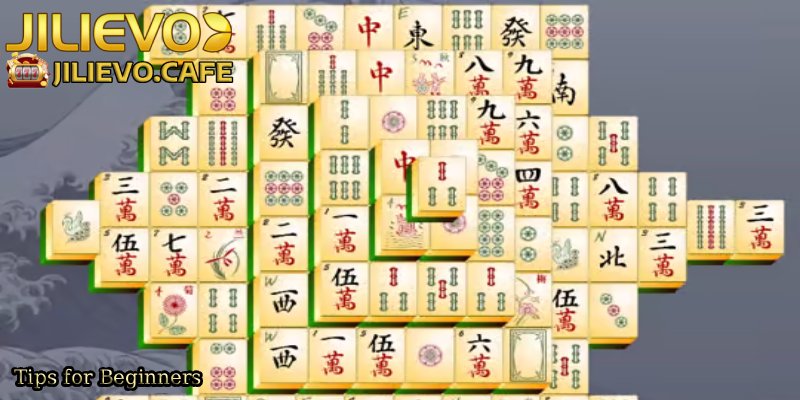
Mahjong Tiles and Their Meanings
The first step to learning play Mahjong is understanding the tiles. There are several categories, each with their own markings and value.
Main Tile Categories
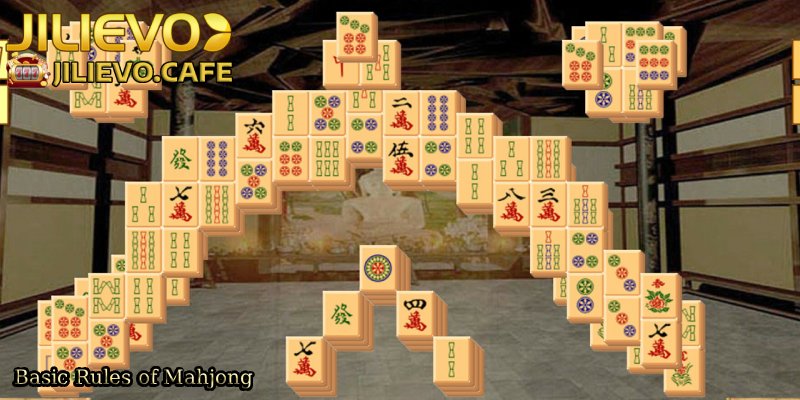
- Dots (or Circles): Numbered 1–9 and represented by round circles.
- Bamboo (or Sticks): Numbered 1–9 and shown as thin bamboo sticks.
- Characters (or Craks): Numbered 1–9 using Chinese characters.

Honor and Bonus Tiles
- Winds: East, South, West, and North.
- Dragons: Red, Green, and White — often used for higher points or special hands.
- Flowers and Seasons: Bonus tiles that give extra points or benefits when drawn.
So in total, there are 144 tiles in a full play Mahjong set. Don’t worry about memorizing all of them right away — as you play, you’ll quickly recognize patterns and meanings.
Setting Up the Game
Mahjong is played on a square table, usually by four players. Here’s how to set up the game:
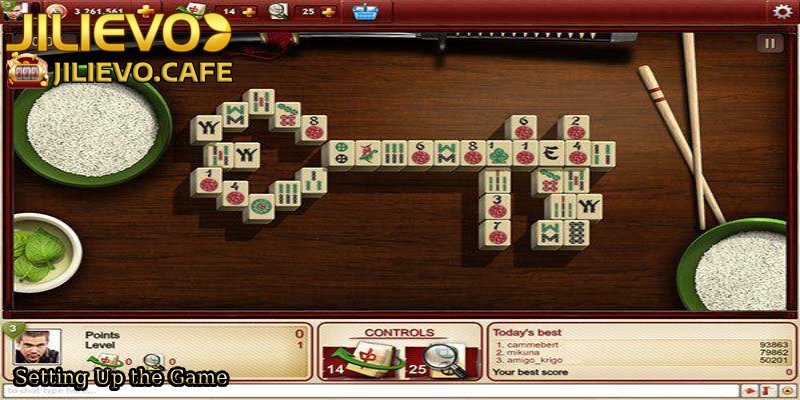
- Each player builds a “wall” of tiles two tiles high and 17 tiles long in front of them.
- The four walls form a square in the center of the table — this is the “Great Wall.”
- Players then roll dice to decide who starts as the dealer (East Wind) and where the wall will be broken to draw tiles.
The dealer deals 13 tiles to each player (and 14 to themselves). The game begins when the dealer discards one tile, and turns move clockwise.
Basic Rules of Mahjong
The goal of the game is to create a winning hand of 14 tiles — consisting of four sets and one pair. Sets can be either:
- Pong: Three identical tiles (like three 5 of dots).
- Chow: A straight of three consecutive tiles in the same suit (like 2-3-4 of bamboo).
- Kong: Four identical tiles (like four red dragons).
- Pair: Two identical tiles (like two East Winds).
You build these combinations by drawing from the wall or by claiming tiles that other players discard — but there are specific rules for when you can take a discarded tile.
Turn Order and Gameplay
- Draw a tile from the wall.
- Decide whether to keep it or discard one from your hand.
- Other players may claim your discard if it completes their set.
- Play continues clockwise until someone completes a play Mahjong hand.
When a player completes a legal hand of four sets and one pair, they call out “Mahjong!” and the round ends. Points are then calculated based on the tiles, sets, and bonuses collected.
Scoring and Winning
Scoring in play Mahjong can vary depending on the regional rules — Chinese, Japanese Riichi, and Hong Kong versions each have their own systems. However, the basic principle remains the same: more complex hands and special tiles earn higher points.
Common Scoring Bonuses
- Winning with a self-drawn tile (rather than from another player).
- Winning with certain combinations, like all one suit or all honors.
- Having special tiles like all winds or all dragons.
- Declaring play Mahjong early in the round (fast win).
Once points are calculated, the winner earns points from the other three players, and the dealer may change for the next round — unless the same player wins again, in which case they keep their position as dealer.
Tips for Beginners
Learning play Mahjong takes a little time, but here are some helpful tips that make it easier:
- Start Small: Focus on forming simple sets first rather than aiming for rare combinations.
- Watch the Discards: Observing what others throw away helps you guess what they’re building.
- Plan Ahead: Always think two or three turns ahead before discarding a tile.
- Be Flexible: If your original plan isn’t working, adjust your hand — flexibility wins games.
- Practice Online: Online Mahjong platforms are great for learning rules at your own pace.
Over time, you’ll start to recognize patterns, learn defensive strategies, and develop instincts for when to go on the offensive or play it safe.
Different Styles of Mahjong
Mahjong may have started in China, but it has evolved into many regional versions, each with unique twists and scoring methods. Here are the most popular ones:
- Chinese Classical Mahjong: The original version with balanced strategy and luck.
- Hong Kong Style: Simplified rules and a faster pace — great for beginners.
- Japanese Riichi Mahjong: Adds betting elements and strategic calling mechanics.
- American Mahjong: Uses Jokers and special winning cards for variation.
- Filipino and Vietnamese Mahjong: Local versions with unique bonus scoring patterns.
Each variation has its charm, and once you know the basics, you can easily adapt to any style.

Why Mahjong Is More Than Just a Game
play Mahjong isn’t just about tiles or winning — it’s about focus, patience, and connection. For generations, it has brought families and friends together, offering a perfect blend of challenge and relaxation. In many Asian cultures, play Mahjong Mahjong is also believed to sharpen the mind, strengthen memory, and even bring good fortune.
Whether you’re sitting at a table with friends or playing online, play Mahjong offers endless replay value and satisfaction. Every hand is different, every decision matters, and every win feels rewarding.

Bringing the Spirit of Mahjong Into Your Game
Now that you know how to play Mahjong, it’s time to experience it for yourself. Start with the basics, enjoy the rhythm of drawing and discarding, and soon you’ll find yourself hooked. Like any great game, it’s not just about winning — it’s about enjoying the journey, reading the table, and learning from every round.
So grab a set, invite a few friends, and let the tiles tell their story — one draw at a time.

CEO Erik Howard is the founder and driving force behind JILIEVO, a trusted and reputable online betting platform. With a clear vision of creating a safe, transparent, and entertaining space for players, he has built JILIEVO into a brand known for innovation, integrity, and customer-first values. Under his leadership, JILIEVO continues to set new standards in the world of sports and casino betting, offering players an exciting yet secure environment to enjoy their favorite games.
Contact information : https://2401.cn.com/
Website: https://2401.cn.com/ceo-erik-howard/
Phone: +880 1712-345678
Email: ceoerikhoward@gmail.com
Address: 45, Road 12, Dhanmondi, Dhaka 1209, Bangladesh
#Jilievo #Jilievocafe #Jilievo_cafe #Jilievo_Bangladesh #Jilievo_online_betting #Jilievo_casino #Jilievo_login #Jilievo_register #live_casino_Bangladesh #sports_betting_Bangladesh #online_casino_Bangladesh #slot_games_Bangladesh #ceo_erik_howard